
Introduction
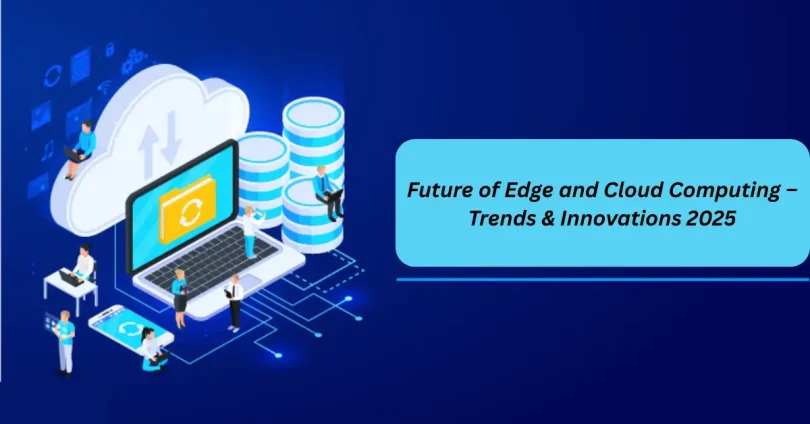
The Future of Edge and Cloud Computing – Trends & Innovations 2025 is all about how technology is getting faster, smarter, and more connected. As more devices like smart sensors, self-driving cars, and wearables come online, there’s a growing need to process data quickly and securely. That’s where edge and cloud computing step in—working together to deliver powerful solutions for real-time decision-making, storage, and performance.
In this blog, we’ll explore how edge and cloud technologies are evolving in 2025, the latest trends you should watch, and the exciting innovations shaping the future. Whether you’re a business owner, developer, or tech enthusiast, this guide will help you understand what’s coming next and why it matters.
What is the Future of Edge and Cloud Computing?
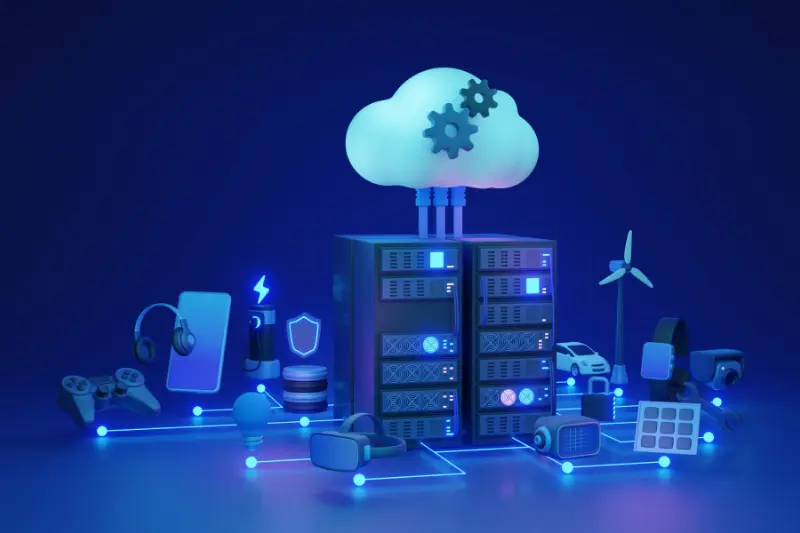
The future of edge and cloud computing is about making technology faster, smarter, and more responsive. In the coming years, these two technologies will work more closely together to support everything from smart homes to advanced AI applications.
- Edge computing means processing data close to where it’s created—like on your phone, car, or IoT device. This reduces delay and improves performance for tasks that need quick responses.
- Cloud computing stores and processes large amounts of data in powerful data centers, offering flexibility, scalability, and remote access from anywhere.
In 2025 and beyond, we’ll see a stronger integration of edge and cloud systems. This hybrid approach will help businesses run real-time services, use AI efficiently, and deliver better customer experiences—no matter where users are located.
You may also like it:
Cloud Compliance Requirements – Ensure Secure & Lawful Cloud Operations
Securing Multi-Cloud Environments – Strategies for Safer & Smarter Cloud Protection
Top Cloud Security Tools 2025 – Protect Your Data with Trusted & Powerful Solutions
Why the Future of Edge and Cloud Computing is Important
Understanding the future of edge and cloud computing is essential for businesses and technology users in 2025. Here’s why it matters:
Faster Data Processing
- Reduced Latency
Edge computing processes data closer to the source, which means faster responses for critical applications like healthcare or self-driving cars. - Real-Time Decision Making
With low delay, systems can react instantly, improving safety, user experience, and operational efficiency. - Better Performance for Devices
Devices like smartphones, wearables, and sensors perform better when they don’t have to send data far for processing.
Supports New and Emerging Technologies
- AI and Machine Learning at the Edge
Running AI models directly on edge devices speeds up intelligent tasks like face recognition and fraud detection. - Internet of Things (IoT) Expansion
Edge and cloud systems together can handle the huge data load from billions of smart devices. - AR/VR and 5G Applications
Low-latency edge computing powers immersive tech and fast mobile experiences with 5G.
Improves Security and Compliance
- Local Data Processing for Privacy
Edge computing can keep sensitive data on the device, helping meet privacy laws and reduce risk. - Reduced Exposure to Cyber Threats
Less data sent to the cloud means fewer chances for hackers to intercept or tamper with it. - Stronger Access Control and Monitoring
Cloud systems provide centralized tools to track, manage, and secure operations from anywhere.
Increases Efficiency and Saves Costs
- Less Bandwidth Usage
Processing data locally reduces the amount of data transferred, cutting down internet traffic and costs. - Optimized Cloud Resource Use
Only necessary data goes to the cloud, making storage and computing more efficient. - Energy Savings at Scale
By reducing the need to send and store massive amounts of data centrally, energy use is also lowered.
Enables Scalable and Flexible Solutions
- Easier to Expand Systems
Edge-cloud setups let businesses scale services across locations without huge infrastructure upgrades. - Flexible Deployment Options
Organizations can choose which tasks run locally or in the cloud, based on their needs. - Faster Innovation Cycles
New products and services can be built and tested faster using cloud tools combined with edge devices.
Step-by-Step Guide to Understanding the Future of Edge and Cloud Computing
Step 1: Understand the Basics
- What is Cloud Computing?
It allows you to store, manage, and process data using remote servers accessed via the internet. - What is Edge Computing?
It processes data close to where it’s generated—like on a device or local network—for faster response times. - Why Combine Both?
Together, they create a powerful system: cloud handles heavy workloads, and edge delivers real-time actions.
Step 2: Identify Real-World Use Cases
- Smart Cities
Traffic systems, surveillance, and utilities use edge for quick data analysis, with cloud managing larger operations. - Healthcare Devices
Wearables and monitors analyze patient data on the edge and send key data to the cloud for storage or diagnosis. - Retail and E-Commerce
Edge supports instant recommendations and inventory updates, while the cloud powers analytics and demand forecasting.
Step 3: Explore Key Technologies
- 5G Networks
5G boosts the speed and reliability of edge computing, enabling faster communication between devices and cloud. - AI and Machine Learning
Models are now trained in the cloud and run at the edge, allowing instant decision-making. - IoT Devices
Smart sensors and devices rely on edge-cloud synergy to handle huge volumes of data efficiently.
Step 4: Learn About Integration Platforms
- AWS Wavelength, Azure Stack, Google Distributed Cloud
These services blend edge and cloud functionality to deliver smooth and scalable solutions. - Edge-as-a-Service (EaaS)
Businesses can now deploy and manage edge environments like cloud services—easily and flexibly. - APIs and Edge Gateways
These tools allow communication between edge devices and cloud platforms, keeping data flowing securely.
Step 5: Understand Challenges and Solutions
- Security Risks
Use zero-trust models and edge security tools to protect data at every point in the system. - Network Reliability
Ensure strong 5G or local networks so edge systems can operate smoothly and reliably. - Data Management
Use cloud analytics to handle large datasets, while edge filters and processes only what’s necessary.
Step 6: Stay Updated on Trends & Innovations
- Follow Industry Leaders
Watch what companies like Microsoft, Amazon, Google, and IBM are doing in edge-cloud computing. - Read Tech Blogs and Reports
Stay informed with the latest studies and insights from Gartner, IDC, and leading cloud providers. - Experiment with New Tools
Try edge-ready platforms or cloud-based testing environments to understand how they can work for your business.
Advantages and Disadvantages of Edge and Cloud Computing
| Advantages | Disadvantages |
| Faster Processing and Low Latency Data is processed closer to the user, leading to quicker responses—ideal for real-time applications like autonomous cars and healthcare monitoring. | Complex Architecture Managing a hybrid edge-cloud system can be technically challenging, requiring skilled teams and new tools. |
| Improved Scalability Cloud systems allow businesses to scale up or down based on demand, while edge devices support local expansion without overloading central servers. | Security Risks at the Edge Edge devices can be more vulnerable to cyberattacks if not properly secured, especially in remote or hard-to-reach areas. |
| Enhanced Data Security and Privacy Sensitive data can be handled locally at the edge, reducing the risk of exposure while still using the cloud for secure storage and backups. | Higher Initial Investment Setting up edge infrastructure and integrating it with cloud systems may involve significant upfront costs for hardware and software. |
| Optimized Bandwidth Usage Only essential data is sent to the cloud, which reduces bandwidth usage and costs, especially for IoT-heavy environments. | Data Synchronization Issues Keeping data consistent across edge devices and cloud platforms can be difficult, especially with real-time updates. |
| Supports Advanced Technologies The combination of edge and cloud computing powers innovations like AI, 5G, IoT, and AR/VR, making them more efficient and responsive. | Limited Edge Resources Edge devices have less computing power than the cloud, so they can’t handle complex processing on their own and need support from the cloud. |
You may also like it:
Cloud Security Best Practices 2025 – Protect Your Data with Smarter & Safer Strategies
Real-Time Data Processing with AI – Faster Insights & Smarter Decisions
Top Benefits of AI Cloud Integration – Smarter Faster & Scalable Business Solutions
Frequently Asked Questions (FAQs)
What is edge computing in simple words?
Edge computing means processing data close to where it’s created—like on your phone, camera, or other smart devices—so it works faster and doesn’t need to send everything to the cloud.
How is cloud computing different from edge computing?
Cloud computing uses remote servers to store and process data over the internet, while edge computing handles data locally, right where it’s created, for quicker results.
Why are edge and cloud computing used together?
Together, they give you the best of both worlds—edge handles quick tasks on-site, and cloud handles heavy processing, storage, and long-term analytics.
What are some real-life examples of edge and cloud computing?
Self-driving cars, smart security cameras, and wearable health monitors use edge computing. The data they collect is often sent to the cloud for further analysis or backup.
Is edge computing safe and secure?
Yes, but just like any tech, it needs the right security tools. Many systems now use encryption, firewalls, and access controls to keep edge devices and data safe.
How will 5G help edge and cloud computing?
5G brings faster, more reliable connections, which helps edge devices send and receive data more quickly and smoothly with the cloud.
Can small businesses use edge and cloud computing?
Absolutely! Many cloud providers offer tools and platforms that are affordable and easy to use, even for startups and small teams.
Conclusion
The Future of Edge and Cloud Computing – Trends & Innovations 2025 shows how technology is becoming faster, smarter, and more connected. By working together, edge and cloud systems help businesses run more efficiently, deliver real-time experiences, and stay ahead in a digital world. Whether you’re a business owner or tech user, embracing this powerful combination is the key to staying future-ready.
Bonus Points
- Green Computing Gains Importance
Edge computing can help reduce energy usage by minimizing data transfers, making it a greener and more eco-friendly choice. - Rise of Edge-as-a-Service (EaaS)
Just like cloud services, businesses can now subscribe to edge services, making it easier and more affordable to adopt edge technology. - Industry-Specific Edge Solutions Are Growing
From smart factories in manufacturing to real-time patient monitoring in healthcare, tailored edge-cloud solutions are becoming more common. - Developers Are Building for Edge First
More apps are now designed to run directly on edge devices for speed, responsiveness, and offline capabilities. - Edge and Cloud Enable Smarter Automation
Together, they power advanced automation systems—from predictive maintenance in machines to AI-driven customer support tools.
You may also like it:
AI-Driven Cloud Analytics – Smarter Data Insights for Modern Businesses
Intelligent Cloud Platforms – Smart Scalable & Secure Computing Solutions
Top Cloud-Based Machine Learning Tools in 2025 – Features Benefits & Use Cases
AI in Cloud Computing 2025 – Latest Trends Innovations & Future Insights